Outdoor projects require planning, coordination, and the right tools to get the job done efficiently. For contractors working in landscaping, daily operations often involve clearing areas, moving soil, preparing surfaces, installing drainage, or transporting materials across job sites. In these situations, having access to the right landscaping equipment makes the difference between a slow, labor-intensive job and a smooth, productive workday.
Crews spend most of their time preparing land, handling materials, adjusting terrain levels, and installing structural elements that allow outdoor spaces to function properly. Because of that, reliable landscaping equipment becomes a central part of how contractors maintain productivity and deliver consistent results for their clients.
In regions like New England, the pace of landscaping work tends to increase significantly as temperatures begin to rise. Many contractors prepare ahead of time so that crews, tools, and machines are ready once the season becomes busier. However, landscaping operations continue throughout the year, from early-season site preparation to summer construction projects and fall property upgrades. For professionals working in this field, access to dependable landscaping equipment remains essential regardless of the time of year.
In this article, you will learn:
- What a professional landscaping equipment list typically includes
- How different machines help crews complete demanding outdoor tasks
- Which equipment supports excavation, grading, and surface preparation
- Why renting landscaping equipment helps contractors scale their operations
- How ETS Equipment Rental supports landscaping professionals across New England
Landscaping equipment list used by professional contractors
Landscaping projects require a wide range of tools and machines to handle demanding outdoor tasks with consistency and precision. Contractors frequently need to move large volumes of material, reshape terrain, stabilize soil surfaces, and clear obstacles that interfere with construction or installation work. Because these activities often happen under tight timelines and changing site conditions, having the right machinery available becomes essential for keeping projects organized and maintaining steady progress.
Professional crews typically rely on several types of equipment designed for excavation, grading, transportation, and surface preparation. Common machines used in the field include skid steer loaders, mini excavators, dump trailers, plate compactors, and stump grinders. Each of these machines supports a different stage of landscaping operations, helping contractors manage site preparation, material handling, and finishing work more efficiently.
When these machines are properly integrated into daily operations, crews are able to maintain a consistent workflow across different projects and jobsite conditions. Reliable landscaping equipment allows contractors to coordinate tasks more effectively, keep crews productive, and handle multiple phases of work without unnecessary interruptions.
Skid steer loaders for versatile landscaping work
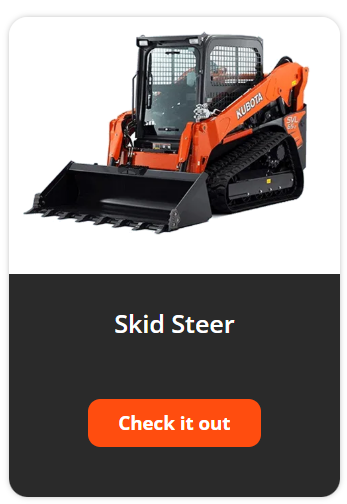
Among the most versatile machines used in landscaping operations, skid steer loaders remain one of the most practical tools for contractors. Their compact design allows them to move easily through tight access areas while still providing enough lifting capacity to handle demanding tasks on active job sites.
Another major advantage of skid steers is their ability to operate with different attachments. With the right setup, this machine can handle multiple tasks during a single project, making it one of the most flexible types of landscaping equipment available.
Common uses for skid steer loaders include:
- Moving soil, gravel, and mulch across the job site
- Leveling terrain before hardscape installations
- Transporting debris after demolition or clearing work
- Preparing surfaces for patios, walkways, and retaining walls
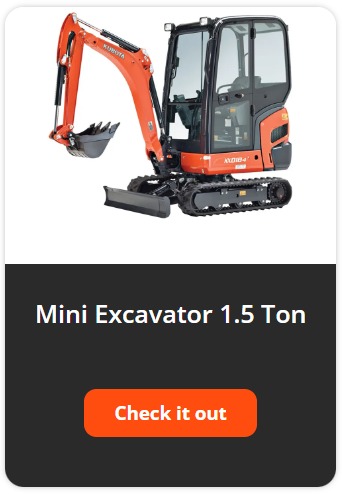
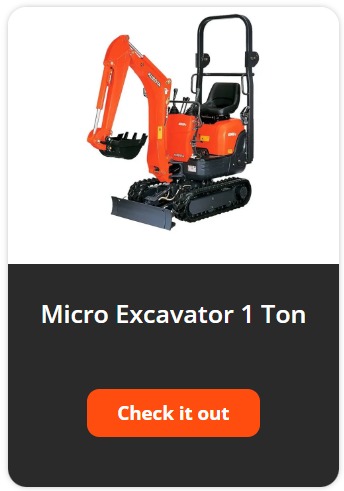
Mini excavators for digging and underground work
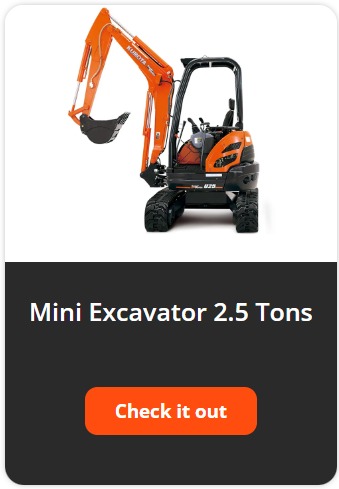
Excavation work is part of many landscaping projects, especially when crews need to prepare underground systems or reshape terrain before construction begins. Mini excavators provide the precision and control required for these tasks while remaining compact enough to operate in residential environments.
Their smaller footprint allows operators to work in backyards, narrow access areas, and properties where larger excavation equipment would not be practical. This makes mini excavators a reliable choice for contractors handling detailed groundwork.
Mini excavators are commonly used for:
- Digging trenches for irrigation systems and utilities
- Installing drainage systems and underground piping
- Preparing foundations for retaining walls
- Removing roots, rocks, and buried obstacles
Dump trailers for material transportation
Moving materials efficiently is a major part of landscaping operations. Contractors regularly transport soil, gravel, mulch, sand, and construction debris between suppliers and job sites, which makes reliable hauling equipment essential.
Dump trailers simplify this process by allowing crews to unload materials quickly using hydraulic lifting systems. This reduces manual labor and helps keep projects running on schedule even when large volumes of materials are involved.
Dump trailers are commonly used for:
- Delivering landscaping materials to job sites
- Hauling excavated soil and debris
- Transporting tree waste after land clearing
- Moving equipment or materials between project locations
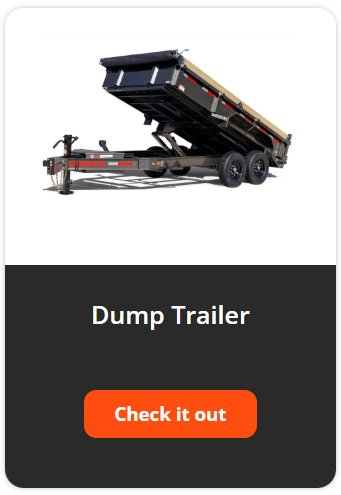
Plate compactors for surface stability
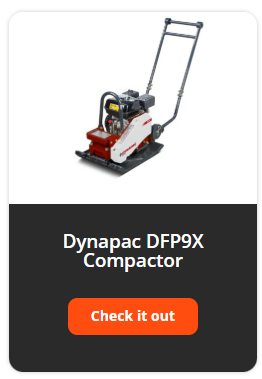
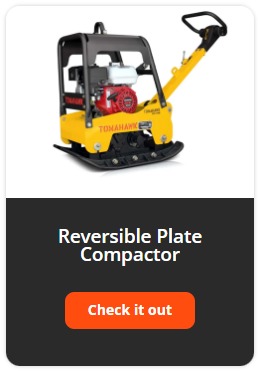
Whenever landscaping projects involve installing patios, walkways, or paver surfaces, proper ground preparation becomes critical. Without adequate compaction, soil or gravel layers may shift over time, causing surfaces to sink or become uneven.
Plate compactors provide the vibration and pressure needed to stabilize these base layers before installation begins. This ensures that the finished structure remains level and durable even after long periods of use.
Contractors commonly use plate compactors for:
- Compacting gravel bases for patios and pavers
- Stabilizing soil beneath walkways and driveways
- Preparing surfaces before installing hardscape materials
- Supporting retaining wall installations

Stump grinders for land clearing
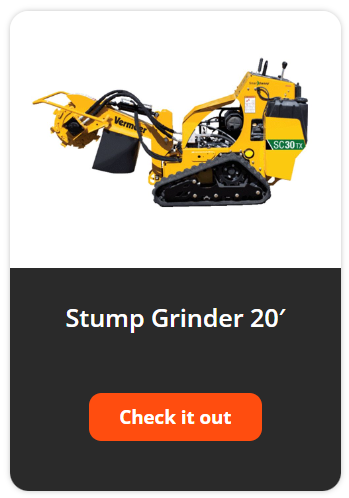
Land clearing projects often begin with the removal of trees or vegetation that interfere with construction plans. Once trees are cut, however, the remaining stump can create obstacles that prevent grading work or surface preparation.
Stump grinders allow contractors to remove these obstacles efficiently by grinding the stump below ground level. This makes it easier to level the terrain and prepare the site for landscaping work.
Stump grinders are commonly used for:
- Removing tree stumps after tree cutting
- Clearing areas for new landscaping installations
- Preparing ground for grading or planting
- Eliminating underground obstacles before construction
Accessing landscaping equipment in New England
Owning every machine included in a full landscaping equipment list can require significant investment, especially for contractors managing multiple types of projects throughout the year. Because different projects require different machines, many landscaping professionals choose to rent equipment when specific tools are needed.
For contractors working throughout New England, ETS Equipment Rental provides access to modern, well-maintained landscaping equipment that supports landscaping crews in a wide range of projects. Available equipment includes:
- Skid steer loaders
- Mini excavators
- Dump trailers
- Plate compactors
- Stump grinders
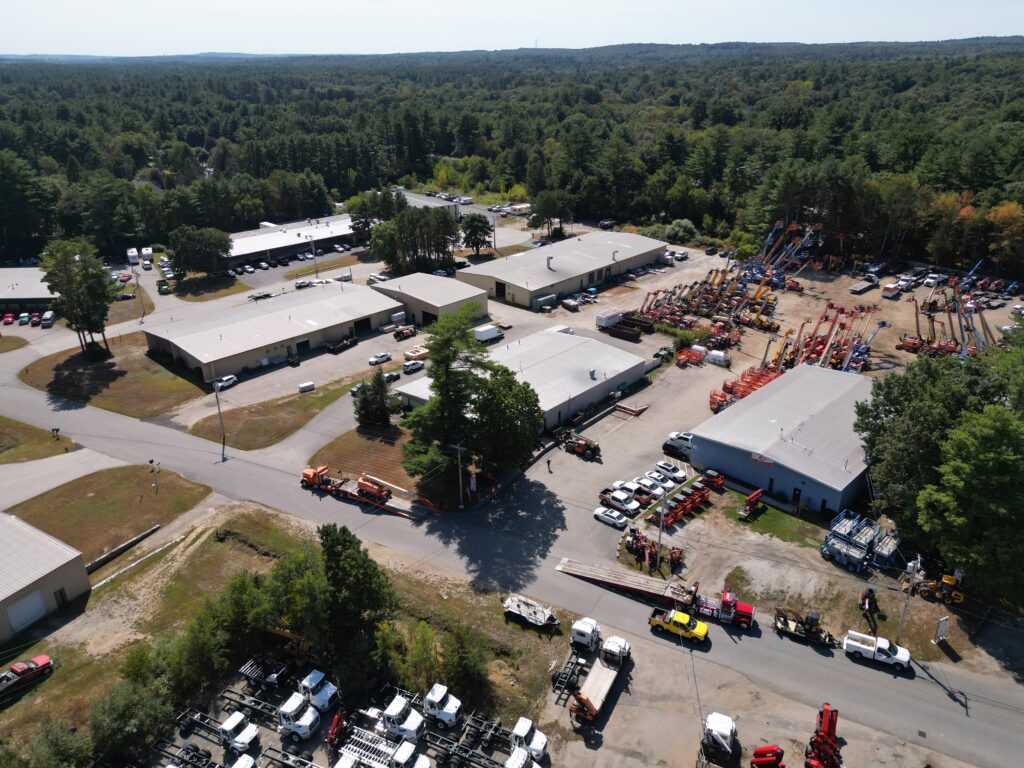
Contractors can choose rental periods that match their project timelines, whether they need equipment for a single day, a full week, or a longer monthly rental. With two locations in North Andover and Hopedale, Massachusetts, ETS Equipment Rental helps simplify logistics for contractors working across the region. We also offer equipment delivery throughout New England, often within 24 hours, allowing crews to receive the machines they need without interrupting project schedules. All machines are carefully maintained and delivered ready for work, often with a full fuel tank so operators can begin work immediately upon arrival.
Visit our portfolio or call us today to check availability, reserve a machine, or schedule delivery.
Hopedale, MA – 11 Airport Rd – Phone: +1 (855) 543-8387
North Andover, MA – 105 Massachusetts Ave – Phone: +1 (508) 282-1476
_____________________________
FAQ
What equipment do I need to start a landscaping business?
Starting a landscaping business typically requires a combination of machines capable of handling excavation, transportation, and ground preparation. A basic equipment setup often includes a skid steer loader, a mini excavator, a dump trailer, and a plate compactor, along with essential digging tools and hand tools used for smaller tasks.
Renting landscaping equipment during the early stages of a business can be a practical approach because it allows contractors to access professional machinery without committing to large upfront equipment purchases.
Can I pick up, transport, or drop off the equipment myself?
It depends on the type and size of the equipment. For safety and insurance reasons, larger machines are usually delivered by our team directly to your job site. This includes equipment like large excavators, telehandlers, and heavy lifts. For smaller equipment (generally under about 10,000 lbs), you can pick it up yourself if you have the proper trailer or transport. If you’re unsure whether your rental qualifies for pickup, just contact us and we’ll guide you.
Is fuel included in the rental?
All machines are delivered with a full tank, similar to a regular car rental. You receive the equipment ready to work and are expected to return it full. If you prefer, we can refuel it for you when it’s returned. Just keep in mind that our fuel pricing may be different from local gas stations. Either option works — you can refill it yourself or let our team handle it.
How long is each rental period?
One Day Rental = One (1) 8-hour shift over a 24 hour period.
One Week Rental = Five (5) 8-hour shifts over a seven day period.
One Month Rental = Twenty (20) 8-hour shifts over a 28 day period.