If you’ve never rented heavy equipment before and are asking yourself whether it takes a special license to run it, here’s what you need to know. Massachusetts rewrote its hoisting regulations in late 2025, changing the requirements for a Massachusetts hoisting license.
Here’s what actually applies now, how the faster Temporary Permit works, and how ETS Equipment Rental helps you sort it out at its Hopedale and North Andover locations.
What Is a Hoisting License in Massachusetts?
So, what is a hoisting license, exactly? Under Massachusetts General Laws Chapter 146 and the state regulation 230 CMR 6.00, a Massachusetts hoisting license, officially called a Hoisting Engineer License, is required to operate certain categories of heavy machinery on construction sites, warehouses, and similar worksites. The license is issued by the Office of Public Safety and Inspections (OPSI), part of the state’s Division of Occupational Licensure.
You’ll see this credential written a few different ways depending on where you look. Massachusetts hoisting license, MA hoisting license, and mass hoisting license all point to the same requirement.
To qualify for the full license, an applicant must be at least 18 years old, submit a completed application with a valid DOT medical certificate, and pass a written exam with a score of 70% or higher. Licenses are valid for two years and renew with continuing education credits. That process fits someone who plans to operate hoisting machinery regularly, across different job sites or employers. It is a lot of process for a contractor who only needs to run a rented mini excavator for a few days.
How Massachusetts Now Defines Hoisting Machinery
Does the old size test still decide whether you need a Massachusetts hoisting license? Not anymore. Massachusetts recodified its hoisting rules from 520 CMR 6.00 to the current 230 CMR 6.00 in late 2025, and that old size-based test is not part of the definition anymore.
The state now names the categories of equipment that require a license directly. Under 230 CMR 6.01, hoisting machinery includes, among other equipment:
- Tower, lattice boom, and telescoping boom cranes
- Telehandlers and other general industrial fork trucks
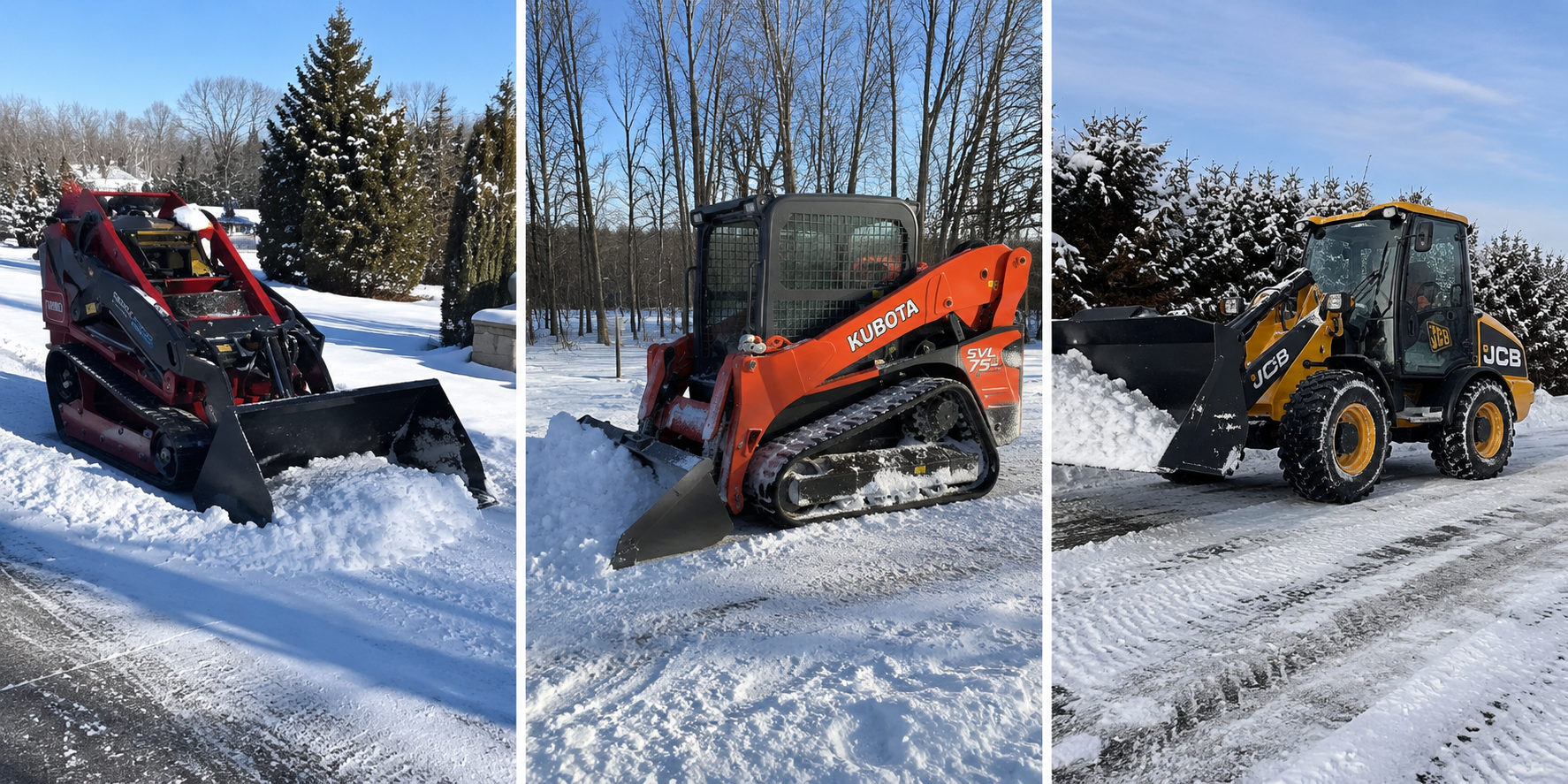
- Crawler and rubber-tired excavators, backhoes, and front-end loaders
- Compact hoisting machinery, defined by weight rather than size (more on that below)
- Overhead gantry cranes and marine lifts
- Jib and shop cranes capable of lifting more than two tons or more than 12 feet
If your project involves an excavator, backhoe, loader, forklift, or crane, plan on needing a license or a permit, and confirm the exact classification with your rental provider before the job starts.
How to Get a Hoisting License in Massachusetts
For the ones who need the full credential, getting a Massachusetts hoisting license means working directly with the state. The general path looks like this:
- Submit an application to OPSI along with a valid DOT medical certificate and a copy of your driver’s license or state-issued ID.
- Pass the written exam, which covers equipment operation, safety procedures, and Massachusetts hoisting law, with a minimum score of 70%.
- Complete a practical exam if OPSI requires one for your equipment classification.
- Renew every two years and complete the required continuing education hours.
This route makes sense if hoisting machinery is a regular part of your job. If you only need equipment for a single project, there is a quicker option.
The Faster Option: A Temporary Permit Through ETS
To be clear, ETS Equipment Rental does not issue the full Massachusetts hoisting license. That credential comes only from the state. What ETS can do is act as what the regulation calls a Short-Term Rental Entity: a rental company approved by OPSI to train renters and issue Temporary Permits for the compact equipment they are renting.
That permit route covers compact hoisting machinery, equipment with a gross vehicle weight of 10,000 pounds or less, which includes most of the skid steers, mini excavators, and small loaders ETS rents out. Here is how the process works:
- Complete a short online course, about 45 minutes, covering the equipment and safety basics.
- Visit the ETS location for brief hands-on training, typically 15 minutes or more.
- Pay the state-set classification fee, roughly $25 per equipment type. ETS does not keep any part of this fee.
- Walk away with a Temporary Permit valid for that classification.
Limits apply under the regulation
Your first Temporary Permit in a calendar year is valid for 28 days, and any additional permits are valid for 14 days each. You cannot hold more than one Temporary Permit in any 45-day period, and the permit only covers equipment rented from the entity that issued it, in this case, ETS. Carry the permit and a valid driver’s license with you any time you are operating the machine.
| Rule | What It Means |
|---|---|
| First permit of the year | Valid for 28 days from the calendar year’s first Temporary Permit issued to you. |
| Any additional permit | Valid for 14 days each. |
| Frequency limit | You cannot hold more than one Temporary Permit in any 45-day period. |
| Where it’s valid | Only for equipment rented from the entity that issued it — in this case, ETS. |
| While operating the machine | Carry the Temporary Permit and a valid driver’s license with you at all times. |
Source: 230 CMR 6.00 (Massachusetts Office of Public Safety and Inspections) and ETS Equipment Rental.
Why Rent Your Equipment From ETS Equipment Rental
Sorting out the permit is only half the job. You still need the right machine, and ETS Equipment Rental carries equipment across nearly every category a general contractor or crew needs, including:
- Aerial Lifts and Boom Lifts
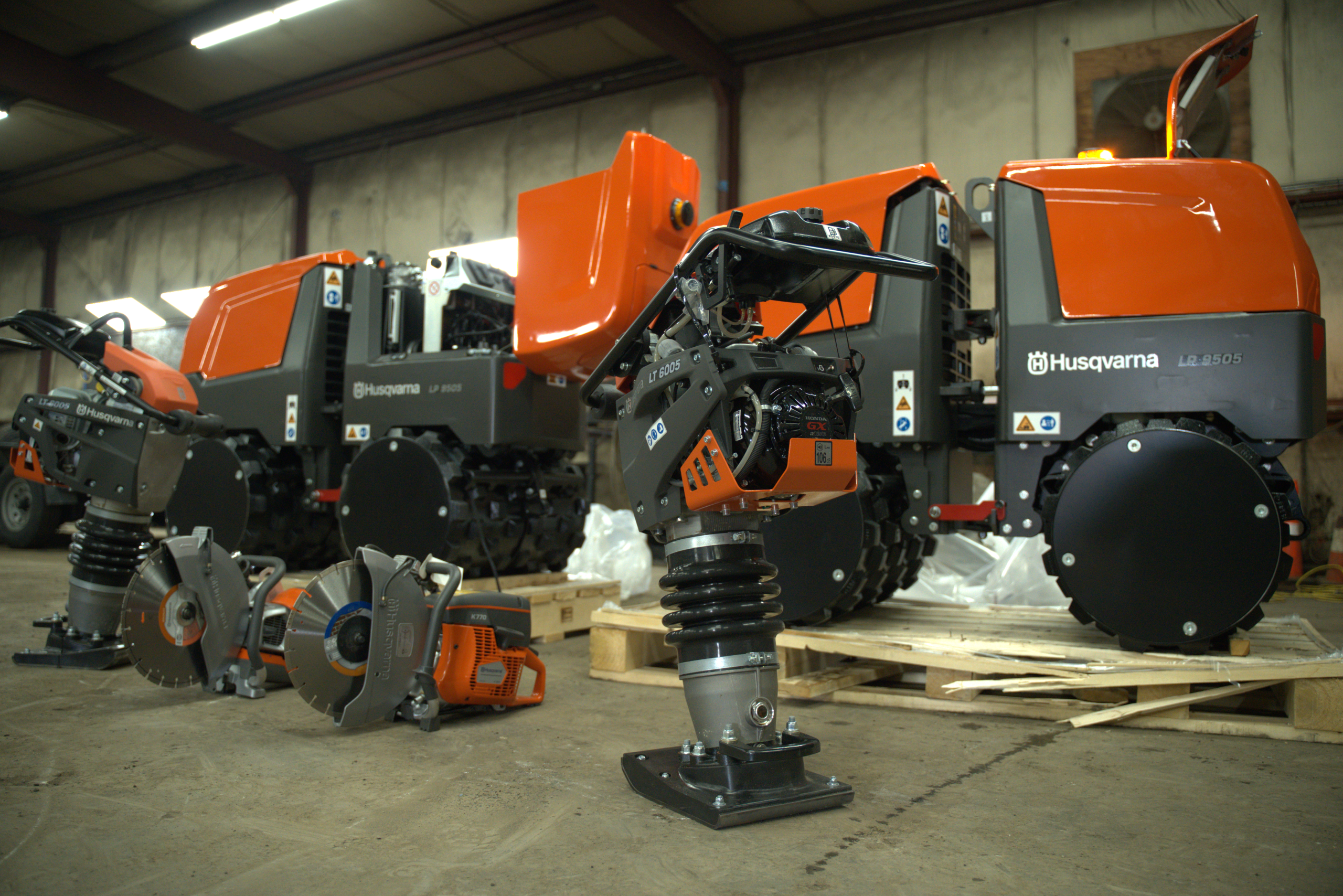
- Compaction equipment
- Dingo compact utility loaders
- Earth Moving equipment
- Excavators
- Forklifts
- Material Handling equipment
- Skid Steers
- Tools
- Miscellaneous job-site equipment
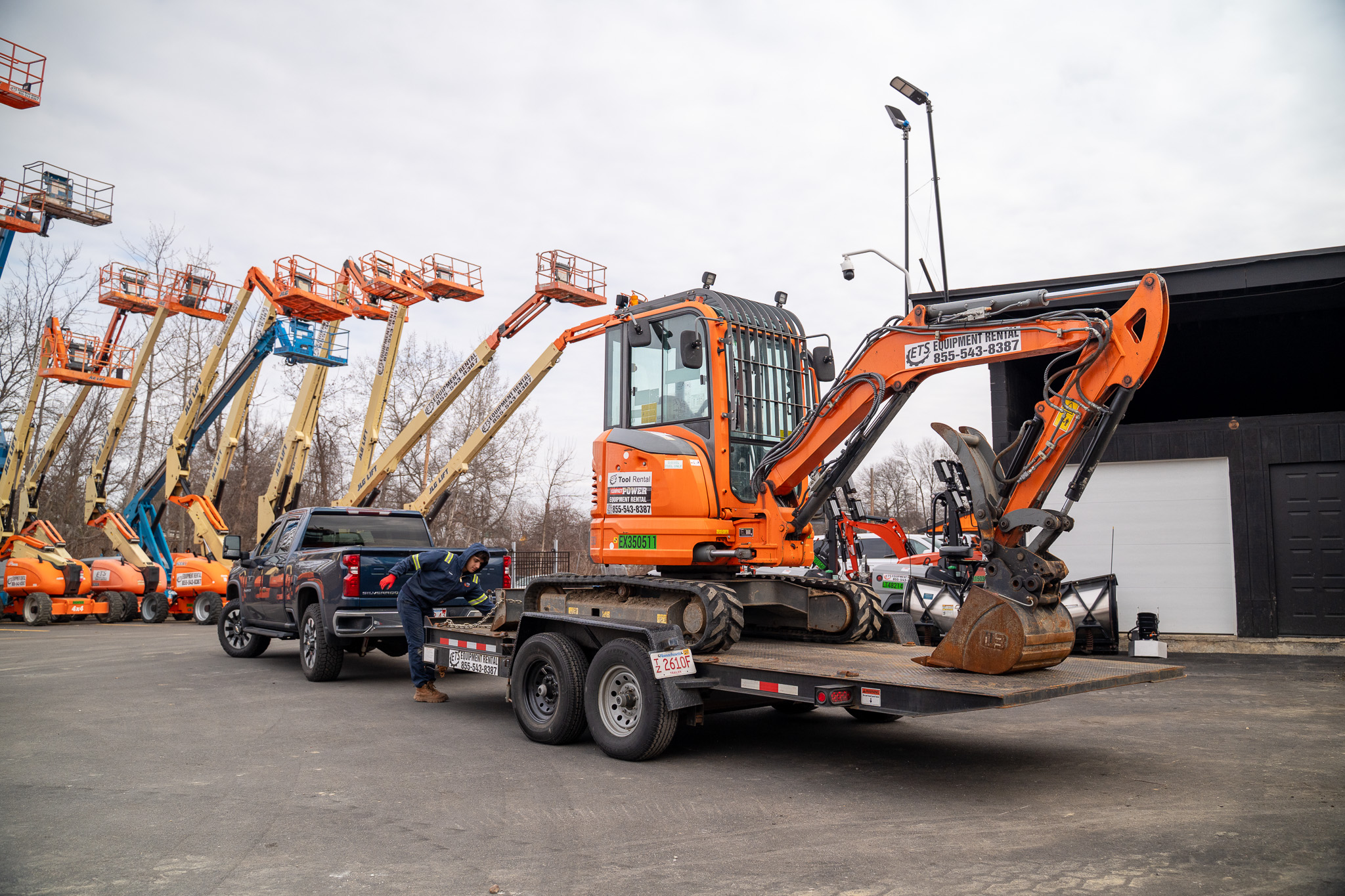
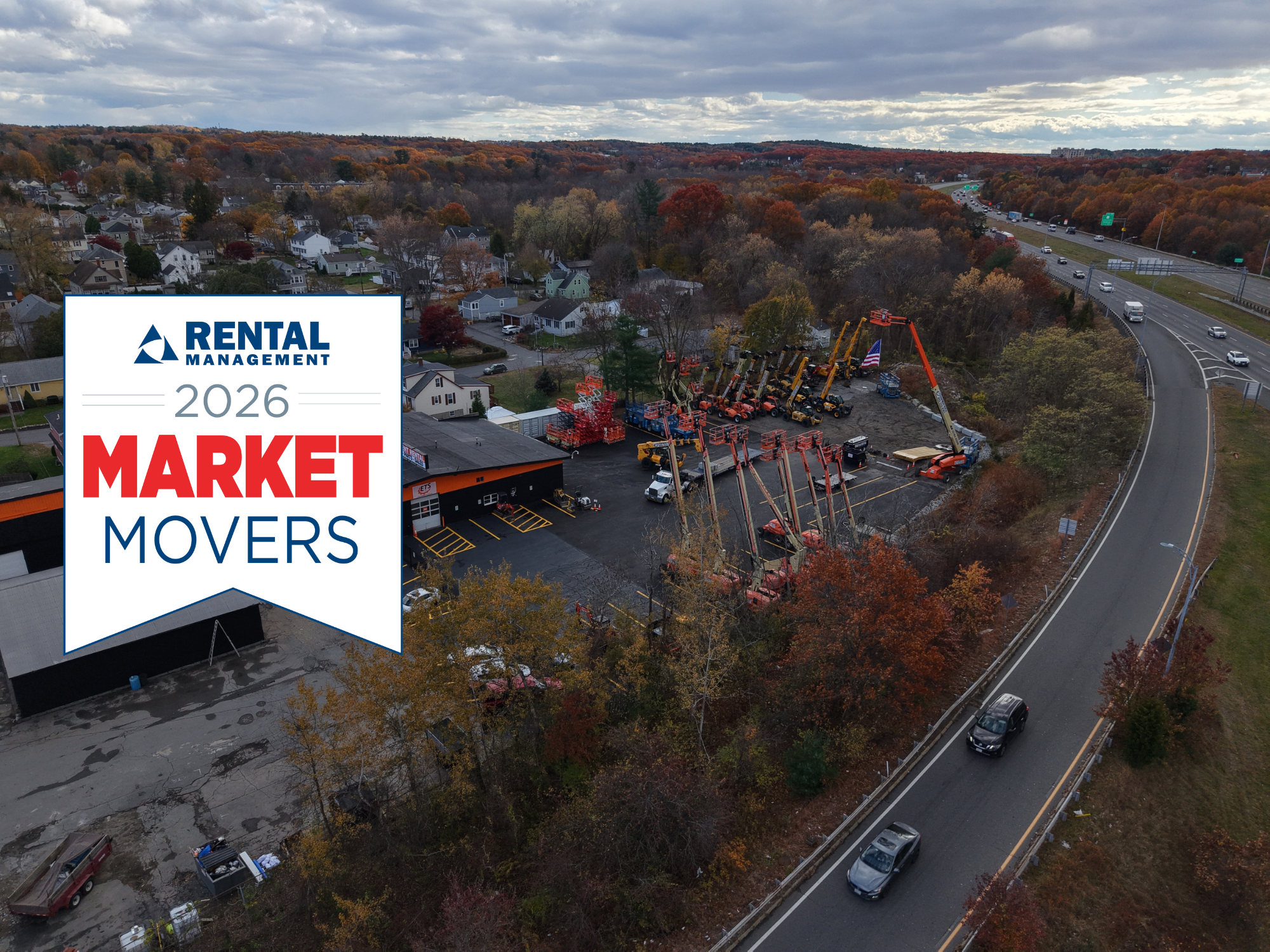
ETS operates two locations in Massachusetts, in Hopedale and North Andover, so crews across the central and northeastern parts of the state can pick up equipment close to the job. Every rental comes with transparent pricing, no hidden fees, and support in English, Spanish, and Portuguese, which matters on crews where not everyone shares a first language.
Because ETS is an OPSI-approved Short-Term Rental Entity, the team can also walk you through exactly which classification your project needs before you commit to a machine, so you are never guessing whether your Massachusetts hoisting license situation is handled.
Ready to Rent?
Whether your project calls for the full Massachusetts hoisting license or just a same-day Temporary Permit, the equipment should not be the hard part. Contact the ETS team in Hopedale or North Andover before your next project, and they will help you figure out exactly which permit, if any, your rental requires.
About us
ETS Equipment Rental serves all of New England from two Massachusetts locations: Hopedale and North Andover. Equipment delivery in 24 hours or less. Service in English, Portuguese, and Spanish. Rent online or call to get a quote and check current promotions.