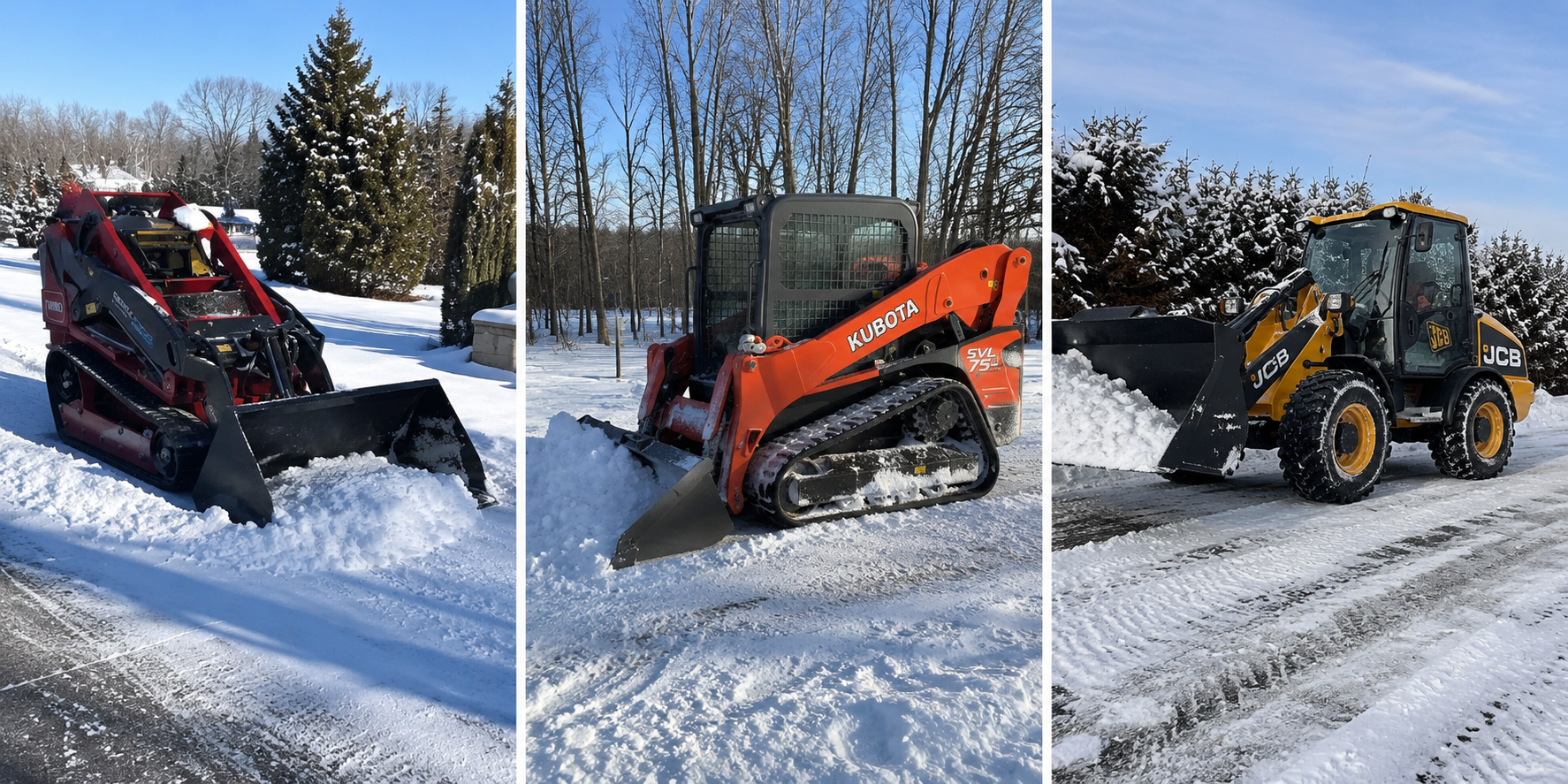
Anyone who has spent real time on a jobsite knows that accidents don’t send a calendar invite. A skid steer clips a curb, a trailer shifts a little too much in a turn, a lift settles into soft ground a few degrees past where it should, and suddenly the machine you picked up on Monday is a problem you’re explaining on Tuesday. That’s a big reason rental equipment protection deserves a spot in your plan before the equipment ever leaves the yard, so in this post we’ll walk through the common kinds of coverage, where each one helps, and how the ETS Rental Equipment Protection Plan fits in alongside them.
Accidents Happen on Every Job
Even careful crews run into trouble, because jobsites are tight, the weather changes fast, the days run long, and sometimes the machine in your hands is one you’ve never operated before. Equipment rental is a great way to get the right tool without taking on the burden of owning it, but under most rental agreements you’re the one responsible for that unit while it’s with you, which means a tip-over, a bit of vandalism overnight, or a hailstorm you didn’t see coming can land squarely on your desk.
The usual suspects are impact with walls, curbs, or other equipment, rollovers on uneven ground, theft at the jobsite, wind, hail, or flooding, and plain operator error on an unfamiliar machine. Having support lined up before any of that happens is what keeps one bad day from turning into a budget problem for the rest of the quarter.
The Most Common Types of Coverage
Most contractors build their protection out of a handful of standard policies, and since each one is meant for a different kind of risk, it helps to know what you’re holding.
General Liability Insurance
General liability insurance is the foundation for most contractors, covering claims that your work injured someone or damaged their property, though it often excludes damage to equipment you rent and have in your care or control, which is exactly the situation you’re in on a rental.
Workers’ Compensation
Workers’ compensation pays medical costs and lost wages when an employee gets hurt on the job, so it looks after your people rather than the machine they were operating.
Where Rental Equipment Protection Fits In
That gap is where rental equipment protection comes in. At ETS Equipment Rental, the Rental Equipment Protection Plan (REP) is an optional add-on to your rental agreement that costs 15% of your rental charges and limits what you owe if the equipment is damaged during your rental.
One thing worth saying plainly is that REP is not insurance. It’s an optional damage waiver, your signed rental agreement governs all coverage, exclusions, and deductibles, and the fee is non-refundable once purchased.
How REP Works Alongside Your Existing Policies
REP doesn’t replace anything you already carry. General liability insurance, workers’ compensation, and commercial auto keep doing their jobs, and rental equipment protection simply speaks to the one risk those policies often leave open, which is damage to the machine you’re renting.
For a lot of crews that makes the decision pretty simple: you keep your standard coverage for people and property, and you add REP when the rental itself is the exposure. And since it’s optional, you can decide rental by rental, based on the value of the equipment and the conditions on site.
Know What You’re Paying For: 15% to Add REP, Plus Your Deductible If There’s a Claim
This is the part that confuses a lot of customers, so let’s say it as plainly as we can. Paying the 15% to add REP does not mean you owe nothing when something happens, because you still pay your deductible on every approved claim. That deductible is $2,500 per incident ($2,500 for equipment valued above $25,000).
REP provides up to $500,000 in coverage per item, and the process from there is pretty simple:
- You pay the 15% to add REP to your rental.
- Damage happens, and you report it to ETS.
- We file the claim.
- You pay your deductible, and REP covers the rest.
What REP Does Not Cover
Like any rental equipment protection option, REP has limits. It applies to covered accidental damage, and it does not cover:
- Misuse or abuse
- Overloading
- Intentional acts
- Failure to return equipment
- Normal wear and tear
- Unauthorized repairs
You can review the full coverage and exclusions on the rental equipment protection page before you rent.
How to Choose the Right Support for Your Next Equipment Rental
A few quick steps tend to make the decision easier:
- Review your current policies with your insurance agent.
- Ask whether rented equipment is covered, and at what limits.
- Compare your policy deductible with the REP deductible.
- Decide before you sign the rental agreement, not after an accident.
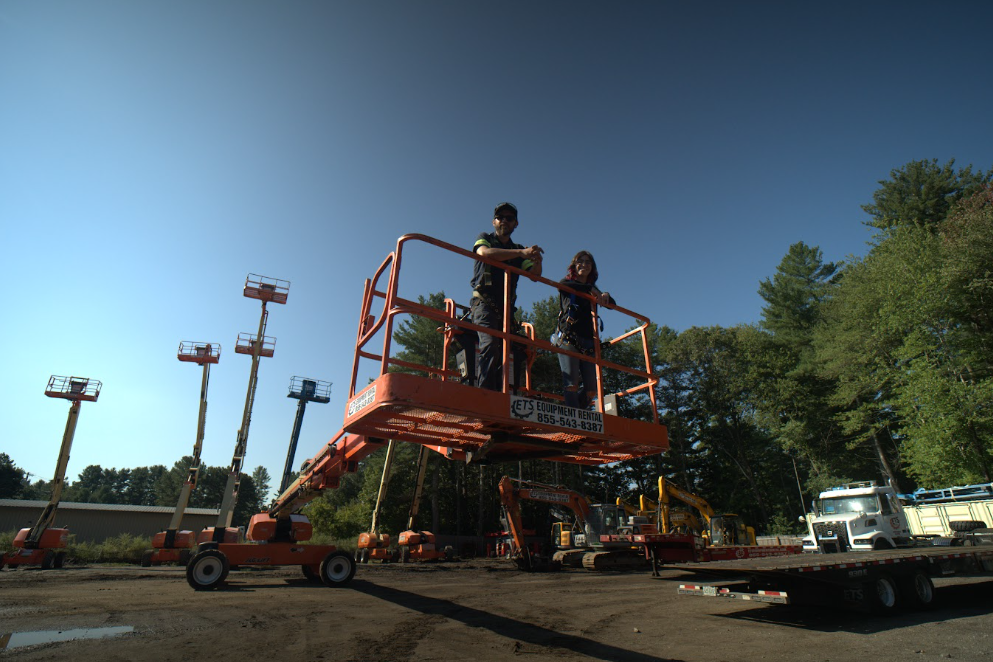
Accidents are part of the job, and a clear plan for covering them is part of running the job well, so think about the equipment you rent most often, how much those machines are worth, and how much you could comfortably absorb in a single incident. If the honest answer is “not much,” rental equipment protection is worth a close look.
Our team is happy to walk you through the deductible for your specific rental and answer any questions about coverage and exclusions before you sign, so give ETS Equipment Rental a call at (855) 543-8387 or visit etsequipmentrental.com when you’re ready to add REP to your next equipment rental.
About us
ETS Equipment Rental serves all of New England from two Massachusetts locations: Hopedale and North Andover. Equipment delivery in 24 hours or less. Service in English, Portuguese, and Spanish. Rent online or call to get a quote and check current promotions.